

The Art of Circle Casting
Explore the process of casting and closing a magickal circle, ensuring a protected and empowered space for spiritual workings and ritual practices.

Stop Family Body-Shaming with These Strategies
We all know that family is supposed to be our safe haven—a place where we can be ourselves without judgment. But let’s be real: sometimes, family can be the exact opposite. Whether it’s an offhand comment about your weight at Thanksgiving dinner or a so-called “joke” at a family reunion, body-shaming within families is unfortunately common. And because these remarks come from people we care about, they can sting even more. You might brush it off at the moment, but those comments can linger, affecting your self-esteem and your relationship with your body. So, how do you respond when a family member body-shames you? It’s a tough situation, but there are ways to handle it that protect your mental and emotional wellbeing without causing a family rift. Let’s dive into some strategies that will help you tackle this issue head-on. Understanding Body-Shaming Body-shaming isn’t just about someone telling you to lose weight. It’s any negative comment about your body—whether it’s your size, shape, or any other physical attribute. These comments can come from a place of ignorance, insecurity, or even a misguided sense of “helpfulness,” but the impact on the person being shamed is often the same: it hurts. Family members might engage in body-shaming for various reasons. Some do it because they grew up in an environment where commenting on someone’s appearance was normalized. Others might do it because they’re projecting their own insecurities onto you. And then there are those who think they’re being helpful, believing that their criticism will motivate you to change. Spoiler alert: it won’t. The effects of body-shaming can be deep and long-lasting. It can lead to feelings of inadequacy, low self-esteem, and even disordered eating. When these comments come from family members, the impact can be even more profound because these are the people whose opinions often matter most to us. Understanding why body-shaming happens doesn’t excuse the behavior, but it does help you prepare for how to deal with it. Preparing Yourself Mentally and Emotionally Before you can effectively respond to body-shaming, you need to build up your mental and emotional defenses. This starts with self-awareness. Understanding your own triggers and insecurities can help you stay grounded when someone says something hurtful. If you know that comments about your weight, for example, really get under your skin, it’s important to mentally prepare yourself for the possibility of hearing them. Self-acceptance is another crucial piece of the puzzle. It’s easier said than done, but working towards accepting and loving your body as it is can make a huge difference in how you react to body-shaming. This doesn’t mean you have to love every single part of your body every day, but acknowledging that your worth isn’t tied to your appearance is a powerful step. Confidence is your best armor against body-shaming. When you’re confident in who you are, it’s easier to let hurtful comments roll off your back. There are many ways to build confidence, but one effective strategy is positive self-talk. Yes, it might feel a little silly at first, but telling yourself things like “I am enough” or “My body is strong and capable” can actually help shift your mindset over time. Staying calm and composed when someone body-shames you can be challenging, especially if the comment catches you off guard. However, keeping your cool is crucial. When you respond calmly, you maintain control of the situation and prevent it from escalating. Deep breathing exercises, mindfulness, and even practicing responses ahead of time can help you stay composed when you need it most. Effective Communication Strategies Now that you’ve got your mental and emotional defenses in place, it’s time to think about how you’ll actually respond when someone body-shames you. The key here is to communicate your feelings assertively but not aggressively. It’s all about setting boundaries while still maintaining respect for the other person. One of the best ways to express how a comment made you feel is by using “I” statements. For example, instead of saying, “You’re always criticizing my weight,” you might say, “I feel hurt when my weight is brought up in conversation.” This shifts the focus from blaming the other person to expressing your own feelings, which can help reduce defensiveness on their part. You don’t have to come up with a perfect response on the spot, either. It’s okay to take a moment to gather your thoughts. You might say something like, “I need a minute to think about what you just said.” This gives you time to decide how you want to respond without feeling pressured to react immediately. If you’re looking for some go-to phrases to use in these situations, here are a few options: The goal is to convey that these types of comments are not okay with you and that you’d prefer the conversation to steer in a different direction. Empathy can also play a role in these conversations. Try to understand where the other person is coming from, even if their approach is hurtful. For example, if an older family member makes a comment about your weight, it might be helpful to recognize that they grew up in a different era with different societal expectations. This doesn’t excuse their behavior, but understanding it can help you respond more calmly. That said, empathy doesn’t mean you have to accept or tolerate body-shaming. You can acknowledge their perspective while still standing firm in your own. For instance, you might say, “I understand that you’re concerned about my health, but your comments about my body are not helpful. I’d appreciate it if we could talk about something else.” Navigating these conversations can be tricky, especially if the other person gets defensive or upset. The important thing is to stay true to your boundaries and keep the conversation focused on your feelings rather than getting caught up in an argument. If the conversation starts to escalate, it’s okay to step away and revisit it later when everyone has had time to cool down.

Starting Your Journey in Contemporary Witchcraft
Explore the enchanting world of witchcraft, from setting up your sacred space to integrating magical practices into everyday life, and embark on a journey of self-discovery and spiritual empowerment.

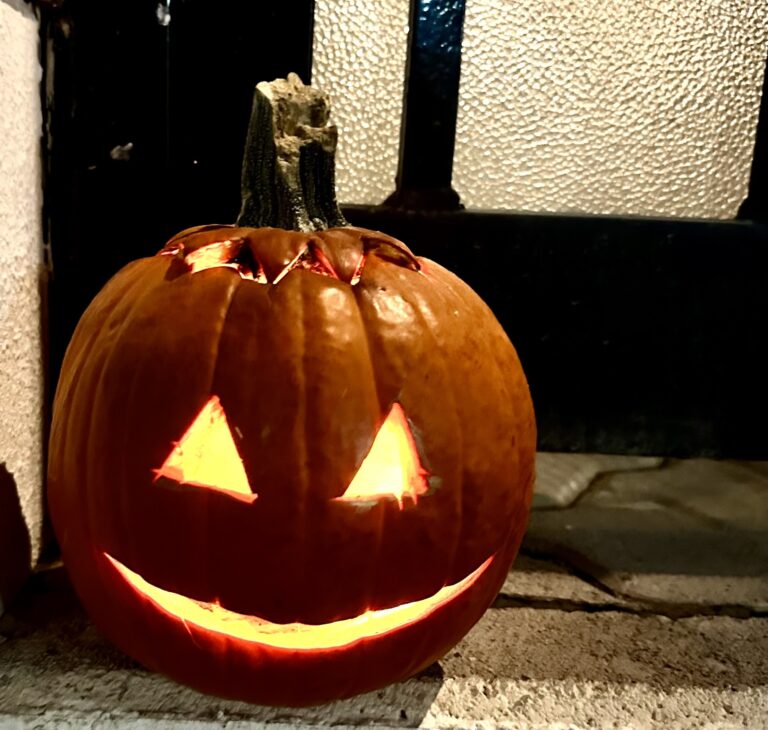
The Symbolism of Jack-o’-Lanterns
There’s something magical about the flickering glow of a Jack-o’-lantern on a crisp October night. Whether you’re a kid anxiously awaiting a night of trick-or-treating or an adult who loves decking out the house in spooky décor, that carved pumpkin is an essential part of Halloween. But have you ever stopped to wonder why we carve faces into pumpkins, of all things? Why pumpkins, and not something else? Jack-o’-lanterns have a history that’s as rich and intriguing as the legends that surround them. Their origins are rooted in ancient traditions, and over time, they’ve evolved into the iconic symbol of Halloween that we know and love today. From old Irish folklore to modern-day Halloween celebrations, Jack-o’-lanterns have taken on meanings and roles that go far beyond a simple carved pumpkin. Let’s dig a little deeper into this enchanting tradition. The Origins of Jack-o’-Lanterns The story of Jack-o’-lanterns begins far from the pumpkin patches of America. The roots of this tradition stretch back to ancient Celtic festivals, particularly Samhain, which marked the end of the harvest season and the beginning of winter—a time when the veil between the living and the dead was believed to be at its thinnest. During Samhain, people would carve turnips and other root vegetables, creating grotesque faces to scare away wandering spirits. These carved vegetables were often lit with a small candle or ember, serving as a beacon to guide lost souls or as a way to ward off evil spirits. The tradition of carving these “spirit lanterns” was carried across the seas by Irish immigrants, who brought their customs and stories to America. When these immigrants arrived in the New World, they found that pumpkins, which were native to North America, were much easier to carve than the tough turnips of their homeland. Pumpkins quickly became the preferred canvas for these lanterns, and the Jack-o’-lantern as we know it today was born. The transition from turnips to pumpkins might seem like a simple swap, but it was also a cultural adaptation. The pumpkin, with its large, hollow body and bright orange hue, provided the perfect medium for creating larger, more elaborate lanterns. And as the tradition of Halloween began to take root in American culture, the Jack-o’-lantern became one of its most enduring symbols. The Tale of Stingy Jack and the Devil One of the most fascinating stories tied to the origin of Jack-o’-lanterns is the Irish legend of Stingy Jack. The tale goes something like this: Jack was a clever but miserly man who tricked the Devil not once, but twice. The first time, Jack trapped the Devil by tricking him into climbing a tree and then carving a cross into the bark, preventing him from coming down. Jack only let the Devil go after he promised not to take his soul when he died. But when Jack eventually did die, he found himself unwelcome in both heaven and hell. As the legend goes, the Devil, true to his word, wouldn’t claim Jack’s soul. Instead, he sent Jack off into the dark night with nothing but a burning coal to light his way. Jack placed the coal inside a carved-out turnip, and he’s been wandering the earth ever since, a ghostly figure with a lantern—hence the name “Jack of the Lantern” or Jack-o’-lantern. This story, with its eerie imagery and moral lesson about greed, became deeply embedded in Irish folklore. It was believed that Jack-o’-lanterns, when placed outside homes, would ward off Stingy Jack and other wandering spirits. Over time, this story merged with the practice of carving lanterns during Samhain, further cementing the Jack-o’-lantern’s place in Halloween tradition. Cultural Significance Through the Ages As the tradition of carving Jack-o’-lanterns evolved, so too did their symbolism. What began as a way to ward off evil spirits gradually became a representation of the holiday itself—a visual cue that Halloween was upon us. But the Jack-o’-lantern’s role in culture has always been more than just decorative. In folklore, the Jack-o’-lantern has often been associated with themes of light versus darkness, life versus death, and good versus evil. The flickering candle inside the pumpkin serves as a symbol of hope and protection in the face of the unknown—a small, defiant light in the encroaching darkness of winter. In literature and media, Jack-o’-lanterns have taken on various roles. In Washington Irving’s “The Legend of Sleepy Hollow,” for example, the Headless Horseman famously hurls a pumpkin at Ichabod Crane, further embedding the Jack-o’-lantern in American Halloween lore. In modern times, Jack-o’-lanterns often appear in Halloween-themed movies, TV shows, and books, representing everything from spooky fun to the sinister and supernatural. Beyond their role in storytelling, Jack-o’-lanterns have also become a symbol of community and creativity. Pumpkin carving contests, where participants show off their artistic skills, are a popular event in many towns and cities. These gatherings celebrate not only the artistry involved but also the communal spirit of the holiday. Neighbors and friends come together to carve, share stories, and enjoy the simple pleasure of turning a pumpkin into something magical. As the years have passed, the Jack-o’-lantern has maintained its significance, evolving with the times while still retaining its core symbolism. Whether it’s a simple smile or an intricate design, each Jack-o’-lantern carved today carries with it centuries of tradition and meaning. The Design and Artistry of Carving Carving a pumpkin is more than just a Halloween activity—it’s a form of artistry. From the first cut to the final reveal, creating a Jack-o’-lantern is a process that combines creativity, skill, and a touch of tradition. But how did pumpkin carving evolve from simple faces to the elaborate designs we see today? Originally, the faces carved into turnips and pumpkins were crude and meant to be scary. They served a purpose: to ward off evil spirits. But as Halloween became more of a festive celebration rather than a night of fear, the designs became more playful and creative. Today, pumpkin carving has turned into an art form. You
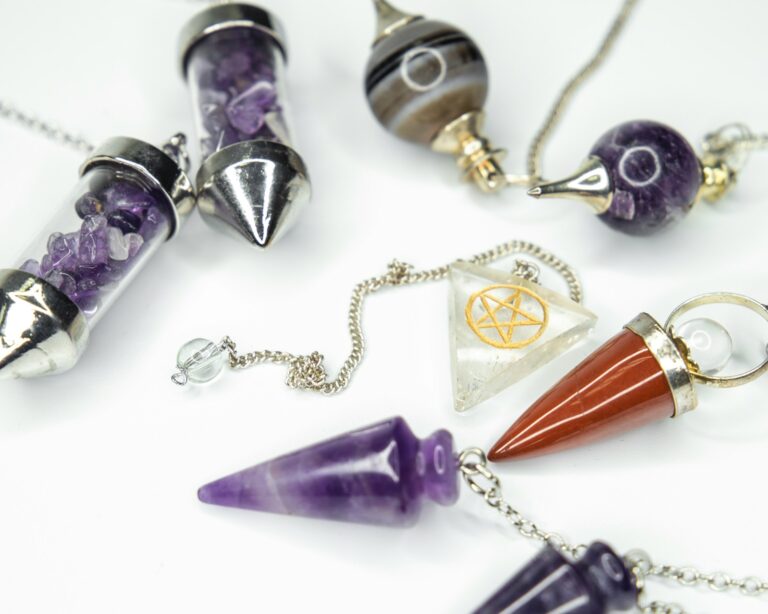
Choosing the Best Crystal for Your Pendulum
How to choose the best crystals depending on your pendulum work.

Everything You Need to Know About Navigating Your Saturn Return
A truly life-changing transit.