

It’s Totally Normal to Want People to Approve of You
You don’t have to pretend that you don’t like compliments

Why Everyone You Know Suddenly Has Main Character Syndrome
Why everyone you know is living like they’re in their own movie

The Spiritual Uses of Dandelion You Need to Know
You’ve probably been told to yank dandelions out of your yard like they’re public enemy number one. Most people don’t even give them a second thought beyond lawn care. But if you’ve landed here, you already know dandelion is way more than just a stubborn plant. It’s not something to get rid of, it’s something to work with. Dandelion is scrappy, smart, and spiritually potent. It shows up uninvited and unapologetic, bursting through cracks in the pavement like it owns the place. That energy? That’s the kind of strength you want on your side. Whether you’re doing energy work, spellcraft, meditation, or just trying to connect to what’s real and grounded, dandelion has a lot to offer. This is about working with dandelion as a spiritual ally. Not just something you pick and toss, but a plant you collaborate with. Let’s get into how to actually do that, with depth, intention, and yes, a little magick. Getting to Know Dandelion’s Spiritual Personality Before you work with any plant on a deeper level, you need to know what you’re dealing with energetically. Dandelion isn’t a passive plant. It doesn’t wait for permission. It moves in, it spreads, and it holds its ground. That kind of energy carries specific lessons and power when you bring it into your spiritual work. Dandelion is all about clarity, strength, and self-direction At its core, dandelion teaches you to be self-guided. It doesn’t follow someone else’s map. It blooms on its own terms, in its own timing, often in places where no one expected anything to grow. If you’re working on self-trust, spiritual independence, or confidence in your own path, dandelion is the perfect plant to lean on. It cuts through confusion and excuses. When you bring dandelion into your space, it’s like inviting in a no-nonsense friend who’s not afraid to call you out, but with love. The solar and lunar sides of dandelion energy There’s a reason dandelion feels balanced despite being so bold. The flower itself is pure solar energy: bright, golden, radiant. But the seed puff? That’s a different story. It’s airy, light, and completely at the mercy of the wind. Together, these parts represent the balance between holding on and letting go, between confidence and surrender. This duality makes dandelion ideal for anyone working with both power and release, whether you’re doing shadow work, letting go of limiting beliefs, or stepping into something new. Dandelion mirrors spiritual misfits and rebels Let’s be honest: dandelion isn’t glamorous. It’s not rare or hard to find. It doesn’t fit in with carefully cultivated gardens. That’s part of the point. If you’ve ever felt overlooked, underestimated, or like you don’t quite fit in with traditional systems, you’re on the same wavelength as this plant. Dandelion reminds you that power doesn’t have to look polished. You don’t need permission to bloom where you are. That’s a spiritual lesson all on its own. Harvesting and Handling Dandelion with Intention If you’re going to work with dandelion spiritually, the way you gather and handle it matters. It’s not about just grabbing whatever you see and tossing it in a jar. There’s a respectful, intentional way to connect and that connection starts the moment you spot it. Approach gathering as a relationship, not a resource grab When you see a patch of dandelions, don’t rush in with scissors. Slow down. Notice which plants feel open to being picked. Ask silently (or out loud, if that’s your style) before taking anything. You’re not just harvesting, you’re opening a relationship. This kind of energetic consent might sound small, but it shifts your role from taker to collaborator. And dandelion, being the strong personality it is, responds well when you treat it like an equal. Ethical wildcrafting can be spiritual too Always make sure you’re picking from clean areas, no sprayed lawns or roadside weeds. But beyond the practical, think about sustainability. Never take the first or the last in a patch. Leave enough for bees, the soil, and the plant’s own cycle. This is a give-and-receive situation, and dandelion thrives when you honor that. Timing your harvest based on intention Different parts of the plant align with different energies and timing matters. If you’re looking for grounding or inner work, harvest the root (ideally during a waning moon, when energy is turning inward). For clarity or empowerment, go for the bright flowers on a sunny day. If your focus is release or transition, collect the seed puffs when the wind is low and you can catch them whole. Each part of the plant has its own voice, and working with it at the right time only strengthens the message. Prepare and store with care Once harvested, dry your dandelion parts slowly in a cool, dry place. Store them in jars or cloth bags, clearly labeled with the date and intention. If you want to charge them for magickal use, do it under the sun or moon, depending on your purpose. Before any spiritual use, you can wake the plant up with a simple breath, a whisper, or a moment of energy. That reactivates the connection and reminds the plant it’s still a part of something living. Ways to Use Dandelion in Spiritual Practice Once you’ve gathered your dandelion with care, you’ve got a whole toolkit at your fingertips. Every part of the plant holds its own spiritual use, and the more you work with it, the more you’ll notice which part calls to you depending on what you need. Here’s how to actually use dandelion in your practice. Use the root for grounding and deeper work Dandelion root is earthy, steady, and unshaken. Spiritually, it’s incredible for grounding, especially when your thoughts are scattered or you’re feeling pulled in too many directions. It also helps you dig into uncomfortable truths or buried emotions. You can carry a dried root in your pocket during shadow work, bury one in a jar spell meant to uncover truth, or burn small pieces as
The Link Between Personality and Musical Taste
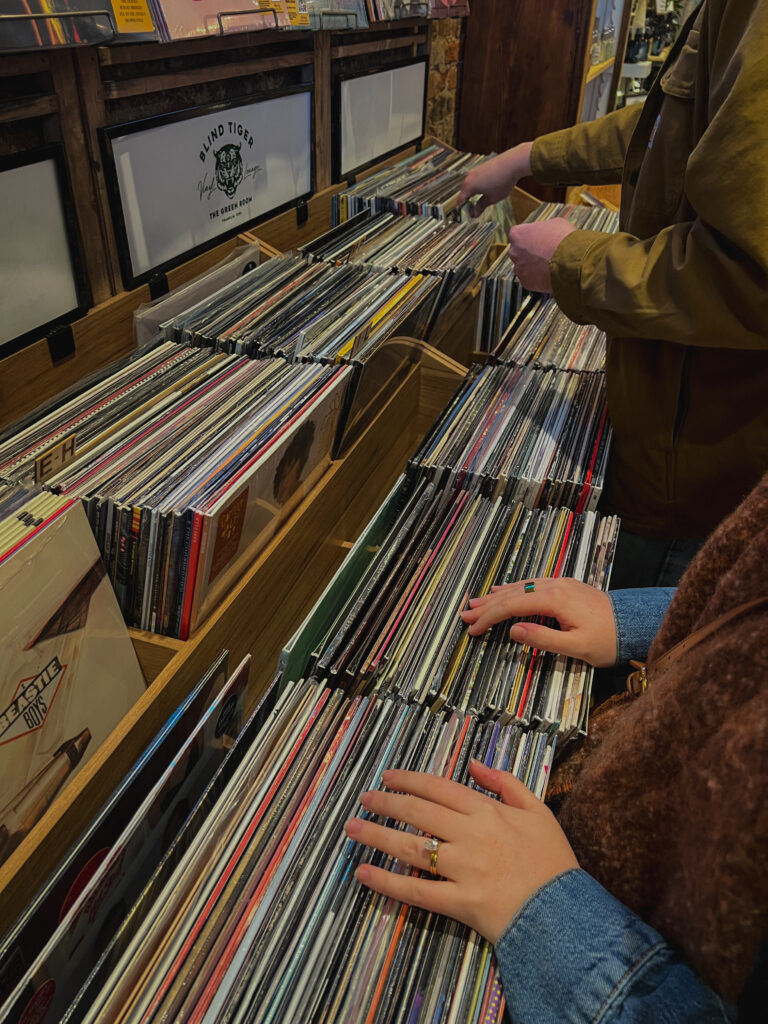
Music isn’t just background noise. It’s something most of us carry through every part of life: workouts, commutes, heartbreaks, and celebrations. And while everyone has their own taste, have you ever noticed how your favorite songs seem to match your personality? There’s actually research behind that feeling. The type of music you gravitate toward may be linked to your emotional patterns, your social habits, and even how your brain processes information. In short, your playlists might say a lot more about you than you think. Let’s break down how music connects to who you are, why certain genres seem to resonate with different personality traits, and how this whole dynamic evolves as you grow. Music and Personality What the Research Says You probably already know that people’s personalities affect what they wear, how they speak, and how they interact with others. But music? That’s personal too. Psychologists have studied the connection between personality traits and musical preference for years, and there are patterns worth paying attention to. The Big Five Personality Traits One of the most common models psychologists use to study human behavior is the Big Five personality framework. These five core traits are: Most people fall somewhere along a spectrum for each trait. What’s fascinating is that music taste often lines up with these traits in ways that are surprisingly consistent across different cultures. Correlating Traits with Musical Preferences Research has shown some strong links between personality types and preferred music genres. People high in openness tend to enjoy music that’s complex, creative, or emotionally deep, think classical, jazz, indie, or experimental sounds. These genres often involve unpredictable structures or thought-provoking lyrics, which appeals to people who love novelty and introspection. If you’re more extraverted, you might gravitate toward energetic, bass-heavy music like pop, hip-hop, or dance. These genres align with high social energy and positive emotions. Loud beats and catchy choruses tend to hype up social personalities, especially in group settings. Conscientious types, who like order and reliability, may prefer upbeat and structured music like country, mainstream pop, or soft rock. These genres often follow clear formats and focus on relatable life stories or values. Meanwhile, those who are high in neuroticism often connect with emotionally intense or melancholic music. They might turn to moody ballads, emo, or alternative rock to help process feelings, even if it means leaning into the sadness a bit. Agreeable people, the peacemakers, often enjoy gentle, harmonious music. Acoustic, folk, or soft pop songs can match their desire for connection and calm. Beyond Genres Depth Lyrics and Energy Music is more than just genre labels. You can be drawn to a specific sound because of how it makes you feel, not just the category it falls into. Some people are lyric-focused listeners. They crave emotional storytelling or personal experiences in a song. Others connect more with melody, rhythm, or production. Interestingly, people who are introspective or emotionally sensitive often pay close attention to lyrics. They want to understand the story or the message behind a track. In contrast, those who value stimulation and energy might prioritize tempo, drop, or beat. They want music that makes them move, not think. These listening habits reflect deeper parts of who we are. It’s not just about what music you like, but how you engage with it. The Emotional Function of Music in Daily Life Music doesn’t just entertain us, it regulates us. You probably have go-to songs for different moods, whether it’s calming your nerves before a presentation or shaking off a bad day. And these emotional rituals are often shaped by your personality. Using Music to Regulate Mood A lot of people use music as a tool. You might not even realize you’re doing it, but your favorite songs are probably doing some emotional heavy lifting. Someone prone to anxiety might use chill music to self-soothe. An extrovert might queue up something loud to keep the energy going. Introverts, for example, often use music for inward reflection. They’re more likely to listen to slow, emotionally rich music when they want to process thoughts or feelings. It’s almost like therapy, but with headphones. Meanwhile, people who are highly open to experience often explore all kinds of music to spark new emotions or get inspired. Their playlists might jump from moody piano solos to psychedelic rock without missing a beat. Neurotic listeners tend to be more emotionally affected by music. Sad songs hit them harder, but they also find comfort in knowing they’re not alone in how they feel. And agreeable types might use music to maintain harmony. They’ll avoid aggressive tracks and stick with gentle, uplifting sounds. The Comfort of Musical Rituals Think about how often you return to the same song when you’re in a certain mood. That’s not random. It’s part of a ritual. Whether it’s a breakup playlist or a hype-up soundtrack, these choices give your emotions structure and predictability. People high in conscientiousness often form strong listening habits. They’ve got playlists for everything, running, cleaning, relaxing, and use them to keep routines feeling intentional. Others might rely on one specific album for emotional support. It becomes like a weighted blanket in musical form. That’s especially common among highly emotional or nostalgic people, who use music to revisit past experiences or feel grounded during stress. Ritualistic listening helps people feel in control of their emotional states. And that comfort, again, ties back to personality. Some people need music to stay steady, while others use it to shake things up. What Your Favorite Genre Might Say About You Music genres come with stereotypes, but there’s real psychology behind them. Whether you’re a metalhead, a pop enthusiast, or somewhere in between, your preferences probably align with key parts of your personality. Let’s unpack what different genres often reveal. Pop Rock Rap Classical and More Pop music tends to appeal to outgoing, cheerful, and energetic personalities. If you love radio hits, there’s a good chance you’re social and emotionally expressive. Pop songs often focus

The Tale of Vasilisa and the Doll
In the cold forests of old Russia, a girl once faced the wild unknown with nothing but a small wooden doll in her pocket. The Tale of Vasilisa and the Doll is one of those stories that sticks with you. It’s full of shadow and magic, but also full of warmth. This is more than just a tale about witches and mean stepsisters. It’s about the strength we carry deep inside, the kind that whispers instead of shouts. Why This Story Still Matters This folktale comes from Russian oral tradition, where stories weren’t just for entertainment. They were lessons, guides, even warnings. Baba Yaga, the witch in this story, is one of the most famous characters in Slavic folklore. She’s not purely evil like villains in Western fairy tales. She’s wild, powerful, and unpredictable. Sometimes she helps. Sometimes she doesn’t. But she always tests you. Then there’s the doll. Vasilisa’s mother gives it to her before she dies, and tells her to feed it and trust it. That tiny wooden figure turns out to be the heart of the story. It’s not just a magical helper. It’s love made real, a mother’s last gift, a piece of inner wisdom Vasilisa carries with her through the dark. It’s also important to remember: this is not a damsel-in-distress story. Vasilisa doesn’t wait to be rescued. She does the work. She survives. She changes. The Tale of Vasilisa and the Doll Once there was a girl named Vasilisa. Her mother died when she was young, but before she passed, she gave Vasilisa a little wooden doll. “Feed it when you eat, and it will help you when you need it most,” she said. After her mother died, Vasilisa’s father remarried. Her new stepmother and stepsisters were cruel, jealous, and lazy. Vasilisa ended up doing all the chores. But she kept her doll hidden and fed it quietly at meals. One day, her father left on a long journey. The stepmother, hoping to be rid of Vasilisa, sent her deep into the forest to fetch fire from Baba Yaga. Vasilisa, scared but brave, walked through the dark woods. Strange lights floated between trees. The wind sounded like voices. She held the doll in her pocket and kept walking. At last, she reached Baba Yaga’s hut, which stood on giant chicken legs and turned slowly, creaking in the wind. A fence made of bones circled the yard. Baba Yaga appeared in a whoosh of smoke, her eyes like burning coals. “Why are you here?” she asked. “I’ve come for fire,” Vasilisa said. “Then you must earn it,” said the witch. She gave Vasilisa three impossible chores: sort a heap of corn from poppy seeds, scrub the house until it sparkled, and cook a feast. That night, Vasilisa fed her doll a few crumbs and whispered her troubles. While she slept, the doll worked. By morning, everything was done. Baba Yaga was impressed—but also suspicious. “Who helps you, girl?” “I carry my mother’s blessing,” Vasilisa said. That answer seemed to satisfy the witch. She gave Vasilisa a skull on a stick, glowing with fire. “Take this and go.” When Vasilisa returned home, the fire inside the skull burned so brightly that it turned her cruel stepmother and stepsisters to ash. Vasilisa felt no fear. She had faced the forest and come back stronger. Later, she moved to the city and found work as a seamstress. Her doll helped her sew such fine fabric that it caught the attention of the Tsar. He summoned her, and when he met her, he was struck by her calm strength. He asked her to be his queen, and she accepted. But that’s not the end. It’s just the beginning of her next chapter. The Magic Behind the Story So, what’s really happening in this tale? On one level, it’s about magic: a talking doll, a bone-fence witch, a fire that sees the truth. But it’s also about something very real. Vasilisa’s journey is about growing up. She’s handed a gift, her mother’s blessing, and told to trust it. The world around her gets harder, but she listens to that quiet voice. She doesn’t try to outsmart the witch or run away from the forest. She stays, she works, she listens. And the result? Transformation. The skull she brings back burns away lies and cruelty. It shows things as they really are. That’s the kind of fire we all need sometimes. And what about Baba Yaga? She’s terrifying, yes. But she’s also a gatekeeper. She doesn’t destroy Vasilisa because Vasilisa proves worthy. She respects the girl’s honesty, humility, and resolve. This isn’t a story about escaping hardship. It’s a story about walking straight into the woods, trusting your instincts, and finding your way through. Closing the Circle The Tale of Vasilisa and the Doll doesn’t promise that life will be easy. It promises that we have what we need to face the hard parts. Maybe it’s a gift from someone we’ve lost. Maybe it’s a whisper in the dark that says, “Keep going.” Vasilisa didn’t need to slay a dragon or kiss a prince. She just needed to trust herself, feed the quiet magic, and walk the path that opened in front of her. Sometimes, that’s more than enough.

Subtle Signs Your Friend Might Be Gaslighting You
When people talk about gaslighting, they’re usually thinking of romantic partners or family members. It’s become one of those buzzwords that gets tossed around in conversations about dating, emotional abuse, and even pop culture drama. But here’s what often gets overlooked: gaslighting happens in friendships, too. And it can be just as damaging, confusing, and hard to recognize when the person doing it is your best friend instead of your boyfriend. Friendships are built on trust, shared history, and emotional closeness. That’s what makes it harder to see gaslighting for what it is. It doesn’t always show up as some big dramatic betrayal. Sometimes, it’s subtle. It slips into the way your friend talks to you, reacts when you’re upset, or rewrites things that happened to make you feel like the problem. This post is here to break it all down. We’ll look at what gaslighting in friendships actually looks like, the signs to watch out for, and how to protect your peace without second-guessing yourself every step of the way. Understanding Gaslighting Before we get into the specifics of how gaslighting shows up in friendships, it’s important to understand what it actually is. Gaslighting is a form of emotional manipulation that makes someone doubt their reality. It’s not just lying or being mean. It’s a pattern where someone repeatedly challenges your version of events, your feelings, or even your memories, until you start questioning your own mind. What Gaslighting Really Means At its core, gaslighting is about control. The gaslighter wants to influence how you see things, especially how you see yourself. They might make you feel overly dramatic, too sensitive, or even crazy. Over time, this chips away at your confidence and leaves you dependent on them for what’s “true.” That’s why it’s so hard to spot. You’re not just being manipulated. You’re being made to believe you can’t trust yourself. In romantic relationships, gaslighting is often connected to power dynamics or hiding toxic behavior. But in friendships, it can come from a desire to avoid responsibility, keep control of the social dynamic, or even just protect their ego. The reasons can vary, but the outcome is the same: you walk away from conversations feeling worse, not better, and unsure if you were ever right in the first place. Why Friendship Gaslighting Gets Overlooked We don’t always hold friends to the same accountability standard we do romantic partners. There’s this idea that friends are “safe.” That if they hurt you, it must’ve been unintentional. And sometimes, it is. But intent doesn’t cancel impact. Also, many of us grew up without any clear blueprint for what healthy adult friendships should look like. We learned how to spot red flags in dating, but not necessarily in platonic connections. So when a friend subtly undermines us, we write it off as drama, miscommunication, or even our own fault. That’s why recognizing gaslighting in friendships matters. It helps you draw the line between a tough moment and a toxic pattern. Once you see it clearly, it gets a whole lot easier to stand your ground. Signs of Gaslighting in Friendships Not all toxic behavior is gaslighting. But if your friend is consistently making you doubt yourself, you’re not just “too sensitive.” You’re being manipulated. Here are some of the most common ways gaslighting sneaks into friendships. Questioning Your Memory One of the most common signs of gaslighting is when someone keeps acting like your memory can’t be trusted. If your friend constantly says things like “That never happened,” or “You’re remembering it wrong,” you might start wondering if you actually are. It doesn’t even have to be about big things. Maybe you bring up something they said in a conversation, and they flat-out deny ever saying it. Or you remind them of a plan you made together, and they act like you’re making it up. Over time, this can mess with your sense of reality. You might find yourself apologizing for being “confused” even when you know you’re not. What’s really happening is that they’re dodging accountability. It’s a way to avoid responsibility for their words or actions by making you the unreliable one. Denying Their Behavior Gaslighting often shows up when someone refuses to own up to their behavior. You could describe something that upset you, something they clearly did, and they’ll say it didn’t happen, or that you misunderstood it. For example, maybe they excluded you from a group event and then insisted you were “invited,” even though there was no invite. Or they made a hurtful comment and later say, “I never said that” or “You’re twisting my words.” This isn’t just being forgetful. It’s an active attempt to rewrite history in a way that paints them as blameless and you as the problem. The more they deny things you clearly experienced, the more you start second-guessing yourself. That’s the goal. A gaslighter wants you to rely on their version of events instead of your own. Trivializing Your Feelings Another major red flag is when a friend constantly downplays how you feel. You might try to explain that something hurt you, and they respond with, “You’re overreacting,” or “Don’t be so sensitive.” They might laugh it off or roll their eyes when you bring up your feelings. This is a classic gaslighting move. It trains you to silence yourself. You learn that being honest about your emotions just gets you brushed off or mocked. Instead of having open, adult conversations, you start bottling things up, worrying that expressing your feelings will make you look weak or ridiculous. It’s manipulative because it’s not just invalidating in the moment. It sets a pattern. One where your emotions are always “too much,” and their behavior is never a big deal. Shifting Blame If you often walk away from arguments with your friend feeling like everything is somehow your fault, even when you know it’s not, you might be dealing with blame-shifting. A gaslighting friend is rarely the one who’s “in the


Mastering Mercury Retrograde in Leo
Transform the challenges of Mercury retrograde in Leo into opportunities for growth and creativity.

Why You Keep Having Dreams Where Nothing Works Out
What it means when you can’t finish anything in a dream